Chemie
Chemical Resistance

Chemical Resistance – Testing Durability Against Chemicals

Chemical resistance or fluids susceptibility, generally describes the resistance of materials to the effects of chemicals. In contrast to corrosion, there is no material removal, which is particularly typical for plastics and elastomers.

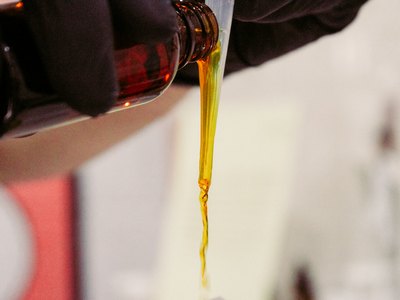
The test is performed by dipping the test specimen into the chemical or by dripping, brushing, spraying or wiping the chemical onto the test specimen. After a defined exposure time and temperature, the surface is cleaned of the test chemical and inspected for visual changes such as discoloration, cracking, blistering, softening or similar. Upon customer request, we also ship the test specimens uncleaned.
Request offer
Chemicals
Chemical Resistance - Fluids Susceptibility Test  Standards

  • RTCA DO-160G, Sect. 11.0, fluids susceptibility→ Case Study
  • DIN ISO 16750-5
  • MIL-STD-810H→ Case Study
  • DIN SPEC 79009
  • DIN EN ISO 846
  • DIN EN 60068→ Case Study
  • VW TL 82421 resistance to agents
  • VW 50180
  • Airbus ABD0100.1.6 4.8 fluids susceptibility
  • DIN EN 60 068-2-45 Dipping in liquid detergents
  • BMW GS 95003-5
  • ISO 2812 Part 1: Immersion in liquids other than water
  • customized: resistance to aqueous media

We also offer the following tests, among others:
waterdrops
according to the following standards, among others:

  • DIN EN 60068-2-17
  • MIL-STD-810
  • NEMA 250
  • RTCA DO-160
  • VDE 0470-100
  • VW 80000

click for more infos
IP-Protection Class
corrosion on a car
according to the following standards, among others:

  • ASTM B 117-73
  • BMW GS 95024-3-1
  • DIN EN 60068-2-11
  • MIL-STD-810
  • RTCA DO-160
  • VW 80000

click for more infos
Salt Fog Tests
hv test bench
according to the following standards, among others:

  • MBN LV 124-2
  • VW 80000
  • GS 95024-3-1

click for more infos
HV-/LV-Test Benches
Explanation of chemical resistance / fluids susceptibility

These are tests that investigate the extent to which different materials are resistant to the effects of chemical substances, or how long they can withstand their influence before losing their functionality.

Chemical resistance is defined here as the ability of a material to resist destruction processes triggered by reactions between the environment and the surface. Unlike corrosion, there is no material removal here. However, corrosion can be a consequence of a lack of chemical resistance if the material is exposed to chemical processes. This can lead to fracture of the material in the further course and thus has a decisive share in the service life of the product.

When determining the resistance of a material/material, one divides into three classes:
A: chemically resistant
B: limited chemical resistant
C: chemically unstable.

Class A - chemically resistant

The material retains unchanged its mechanical, physical and chemical properties regardless of the duration and intensity of exposure to certain chemical substances. (However, this is rarely encountered in practice; therefore, materials are often referred to as "chemically resistant" if they withstand exposure over an extended period of time, especially beyond the general life of the product).

Class B - limited chemical resistant

The material retains its mechanical, physical and chemical properties for a certain period of time. This period determines the suitability of a material for certain applications (influence of chemical substances).

Class C - chemically unstable

The material loses its mechanical, physical and chemical properties (it "degrades") within a short period of time, which makes it unsuitable for certain applications (influences of chemical substances).

Resistance to chemicals is an important prerequisite to ensure compatibility under the conditions of use of a product. Very often in practice, this involves compatibility with certain cleaning or care/lubrication agents. For this purpose, the product must be in contact with various aggressive cleaning agents and solvents, greases or oils. For products that come into contact with users, this also involves the application of body fluids (sweat, saliva, blood, urine) or cosmetic care products. In other environments, it is about the compatibility of surfaces with food particles (e.g. coffee, tea, sauce, ketchup, etc.).

Lack of consistency can show itself in different ways. In plastics, for example, it often leads to swelling or softening of the material, which is regularly caused by diffusion, in which molecules of the acting chemical substance push themselves between the polymer chains and thus bring about the change. The effect of the ambient temperature also plays a significant role, which is why it must be included in the test procedures to a significant extent.

In metals, chain degradation can occur (oxidative degradation) or stress cracking can occur, which under stress can expand into crack networks.

In the case of glass, a high level of resistance can usually be assumed, but even here, instabilities can occur, which can usually be measured in material erosion. For glass, a distinction is made between "water resistance", "acid resistance" and "alkali resistance".

Test procedure

In many cases, immersion tests are used, whereby the objects in the test chamber are fully exposed to the acting media.

To determine the stress cracking resistance, the ESC test (Environmental Stress Cracking) is applied. The tests analyze, among others, for the following possible changes in the material under test:

  • Softening
  • Swelling
  • Discoloration
  • Gloss level change
  • Coating detachment
  • Bubble formation

Case Study

Resistance to Contamination by Fluids
According to DIN EN IEC 60068-2-74

click here for more info…

Example: Polymer Functional Component for a Military Vehicle
Resistance to Contamination by Fluids


Background

Military vehicles operate in environments where equipment is frequently exposed to operational fluids and chemical contamination. These fluids may originate from:
  • hydraulic systems
  • lubricants and gear oils
  • fuel
  • de-icing agents
  • cleaning chemicals
  • cooling liquids
Plastic functional components used in vehicles—such as control housings, connector modules, or mounting structures—must maintain mechanical integrity and functionality even after prolonged exposure to such fluids.
To ensure operational reliability, a polymer functional component used inside a military armored vehicle was tested according to:
DIN EN IEC 60068-2-74 – Environmental testing – Contamination by fluids.
This test verifies whether materials and assemblies remain mechanically and functionally stable after exposure to potentially aggressive fluids.


Test Objective

The objective of the test program was to determine whether the polymer component is resistant to chemical degradation caused by fluids typically present in military vehicle environments.
Potential failure modes include:
  • swelling of the polymer material
  • stress cracking
  • softening or embrittlement
  • degradation of sealing interfaces
  • loss of dimensional stability
The test simulates long-term exposure to operational fluids encountered during service life.

Device Under Test (DUT)

Parameter
Description
Component
Electronic control housing
Application
Interior of armored military vehicle
Material
Glass-fiber reinforced polyamide (PA6-GF30)
Dimensions
160 × 110 × 55 mm
Integrated elements
cable connectors, mounting points
Function
Protection and mechanical support for control electronics
The DUT was tested both as a complete assembly and with representative material specimens taken from the housing.


Test Fluids

According to IEC 60068-2-74, representative fluids were selected to simulate realistic exposure conditions in military vehicles.
Fluid
Simulation
Diesel fuel
fuel system contamination
Hydraulic oil
hydraulic actuator systems
Engine oil
drivetrain contamination
Coolant mixture
thermal management systems
Cleaning agent
maintenance procedures
These fluids represent typical chemical exposures inside military ground vehicles.


Test Method

The DUT and material samples were exposed to the selected fluids under controlled laboratory conditions.
Parameter
Value
Standard
DIN EN IEC 60068-2-74
Exposure method
immersion / surface exposure
Exposure duration
24–168 hours
Temperature
23 °C and 50 °C
Post-conditioning
24 h recovery at ambient conditions
The procedure included both: complete immersion testing and localized contamination simulation (surface wetting).


Evaluation Criteria

After exposure, the DUT was evaluated according to the following criteria:
Visual inspection
  • discoloration
  • surface degradation
  • cracking or deformation
Mechanical inspection
  • dimensional stability
  • mounting interface integrity
Functional inspection
  • connector interface function
  • electronic operation
Material samples were additionally tested for:
  • mass change
  • swelling behavior
  • hardness variation


Test Results

Test Fluid
Result
Diesel fuel
no structural degradation
Hydraulic oil
no swelling detected
Engine oil
minimal surface discoloration
Coolant mixture
no material degradation
Cleaning agent
no functional impact
Measured mass change of material specimens remained below 0.4 %, indicating excellent chemical resistance of the PA-GF material.


Engineering Interpretation

The results demonstrate that the polymer component provides sufficient chemical resistance for military vehicle applications.
Key observations:
  • The glass-fiber reinforcement significantly reduced swelling effects.
  • No micro-cracks or stress cracking occurred.
  • Mounting points maintained mechanical strength.
The tested material therefore shows high compatibility with typical vehicle operational fluids.


Conclusion

The polymer functional component successfully passed the fluid contamination test according to DIN EN IEC 60068-2-74.
The component maintained:
  • mechanical integrity
  • dimensional stability
  • full functional capability
This confirms the suitability of the material and design for use in harsh military vehicle environments where exposure to operational fluids is unavoidable.


Relevance for Military Equipment Development

Testing according to IEC 60068-2-74 helps manufacturers:
  • validate chemical compatibility of materials
  • prevent premature component degradation
  • ensure long-term operational reliability of military systems
For military vehicle manufacturers, such testing is essential to guarantee that polymer components maintain performance despite exposure to aggressive operational fluids.

Case Study

Fluid Contamination Resistance of an Armored Vehicle Electronic Control Module Housing

click here for more info…

Environmental Qualification according to MIL-STD-810H – Method 504.3 (Contamination by Fluids)


Background

Armored combat vehicles operate in environments where mechanical and hydraulic systems are continuously exposed to fuels, lubricants, hydraulic fluids, cleaning agents, and decontamination chemicals. These fluids may come into contact with electronic components, housings, seals, and connectors during maintenance operations or combat use.
One typical accessory installed in a tank is a control module housing for auxiliary vehicle systems, such as:
  • lighting control units
  • sensor interface modules
  • turret subsystem controllers
  • auxiliary power distribution electronics
These devices are often mounted in compartments where accidental fluid exposure can occur due to:
  • hydraulic line leaks
  • fuel refilling operations
  • lubricants used during maintenance
  • battlefield contamination
Exposure to such fluids can degrade materials by causing:
  • swelling of seals
  • deterioration of polymer components
  • loss of coating adhesion
  • corrosion or electrical failure
To ensure operational reliability, these components must demonstrate resistance to fluid contamination according to MIL-STD-810H Method 504.3 (Contamination by Fluids).


Test Objective

The objective of the test was to evaluate the resistance of an electronic control module housing and its sealing system when exposed to typical fluids encountered in armored vehicle operation.
The test focused on:
  • compatibility of housing materials with operational fluids
  • resistance of sealing materials to swelling or degradation
  • coating stability when exposed to fuels and lubricants
  • continued functionality of the module after exposure


Device Under Test (DUT)

Equipment:
Auxiliary electronic control module housing for armored vehicles.
Application:
Integration in vehicle electronics bay of a main battle tank.
Construction:
Component
Description
Housing
Die-cast aluminum enclosure
Surface coating
Military epoxy corrosion protection coating
Seal
Silicone gasket
Connectors
Military circular sealed connectors
Dimensions
220 × 150 × 70 mm
The device was mounted in a representative installation fixture to replicate its position inside the vehicle compartment.


Test Setup

Testing was conducted in a laboratory environment capable of controlled exposure of equipment to operational fluids.
Test methods included:
  • direct fluid application
  • partial immersion
  • controlled surface exposure
The DUT was exposed to a series of representative fluids typically encountered in armored vehicle operation.


Test Fluids

Typical fluids defined in MIL-STD-810H Method 504.3 include operational liquids used in military vehicles.
The following fluids were selected for the test:
Fluid
Typical Use
Diesel fuel
Vehicle fuel
Hydraulic fluid
Turret and suspension systems
Lubricating oil
Mechanical components
Cleaning solvent
Maintenance procedures
Decontamination solution
NBC protection procedures


Test Conditions

Each fluid exposure was performed according to the guidelines of MIL-STD-810H Method 504.3.
Parameter
Test Value
Exposure method
Surface application
Fluid temperature
Ambient
Exposure duration
24 hours
Number of test fluids
5
Post-exposure stabilization
24 hours drying
After exposure, the specimen was allowed to dry before inspection and functional testing.


Post-Test Inspection

Following the fluid exposure tests, the DUT was inspected to detect any material degradation.
Inspection procedures included:
  • visual inspection for coating damage
  • seal integrity verification
  • connector sealing check
  • operational functional test of electronics
Additionally, the housing was opened to inspect internal components for fluid ingress.


Test Results

Evaluation Parameter
Result
Housing coating
No degradation observed
Seal swelling
None observed
Connector sealing
Intact
Internal contamination
None detected
Functional test
Fully operational
The module maintained full operational capability after exposure to all tested fluids.


Engineering Assessment

The resistance to fluid contamination was attributed to the following design features:
  • chemically resistant silicone sealing system
  • robust epoxy protective coating on aluminum housing
  • sealed military-grade connectors
  • precision gasket compression preventing fluid ingress
These design elements prevented degradation and maintained the environmental protection of the module.


Conclusion

The auxiliary electronic control module housing successfully passed environmental testing according to MIL-STD-810H Method 504.3 (Contamination by Fluids).
The equipment demonstrated full resistance to operational fluids typically encountered in armored vehicle environments.
This confirms the suitability of the component for deployment in military vehicle systems where exposure to fuels, lubricants, and maintenance fluids is expected.


Marketing Summary

Reliable performance even when exposed to operational fluids.
Environmental testing according to MIL-STD-810H Contamination by Fluids verifies that military electronic systems maintain operational functionality even after exposure to fuels, lubricants, hydraulic fluids, and maintenance chemicals.
Through robust materials, advanced coatings, and sealed housing design, manufacturers can ensure long-term durability of mission-critical equipment in demanding military environments.

Case Study

Chemical Resistance of Avionics Electronics

click here for more info…

Fluid Susceptibility Testing according to RTCA/DO-160G Section 11


The Challenge

Aircraft electronics are frequently exposed to operational fluids during aircraft operation, maintenance, or servicing procedures. These fluids can interact with external surfaces of avionics equipment and potentially degrade materials, seals, or protective coatings.
Typical aircraft fluids include:
  • hydraulic fluids
  • aviation fuels
  • lubricating oils
  • de-icing agents
  • cleaning solvents
If materials used in electronic assemblies are not sufficiently resistant, fluid exposure may lead to:
  • degradation of sealing materials
  • swelling of polymer components
  • corrosion of metal surfaces
  • electrical malfunction or insulation failure
To ensure long-term reliability, avionics equipment must be evaluated for chemical resistance under controlled laboratory conditions. Environmental qualification testing according to RTCA/DO-160G includes a dedicated procedure to assess fluid susceptibility of airborne equipment.
This case study presents the fluid susceptibility testing of a sealed avionics control unit installed in a passenger aircraft system.


Device Under Test (DUT)

The tested device was an aircraft control electronics module responsible for regulating auxiliary aircraft systems.
The electronics are housed in a sealed aluminum enclosure designed to protect sensitive internal components from environmental exposure.
Key characteristics of the DUT:
Parameter
Description
Product Type
Avionics control electronics
Application
Passenger aircraft systems
Housing
Aluminum enclosure
Surface protection
Anodized housing finish
Connectors
Aviation-grade circular connectors
Internal electronics
Multi-layer PCB assembly
Installation location
Aircraft avionics compartment
Although the device is normally protected inside the avionics bay, the manufacturer required chemical resistance verification to ensure the device remains unaffected when exposed to aircraft fluids.


Test Objective

The purpose of the fluid susceptibility test is to determine whether exposure to common aviation fluids affects the performance or integrity of airborne equipment.
The test verifies that:
  • housing materials resist chemical degradation
  • seals and gaskets maintain their integrity
  • connector materials are chemically stable
  • electronic functionality remains unaffected
Functional verification of the DUT was performed before and after exposure to confirm reliable operation.


Test Setup

Testing was conducted in a laboratory environment where representative aviation fluids were applied to the DUT under controlled conditions.
The device was positioned in a representative installation orientation, and selected surfaces of the housing and connectors were exposed to various aviation fluids.
The exposure method simulated realistic contamination scenarios that may occur during aircraft operation or maintenance.


Test Conditions

Testing was performed according to RTCA/DO-160G Section 11 – Fluid Susceptibility.
Typical aviation fluids used in the test program include:
Fluid Category
Example
Hydraulic fluids
phosphate ester or mineral-based fluids
Aviation fuel
kerosene-based jet fuel
Lubricants
turbine engine oil
Cleaning agents
maintenance solvents
De-icing fluids
glycol-based solutions
The fluids were applied to the external surfaces of the DUT and allowed to interact with the materials for defined exposure periods.


Test Procedure

The test program followed the environmental qualification procedure defined in the standard.
  1. Pre-Test Inspection
    Prior to exposure, the DUT underwent:
    • visual inspection
    • functional verification
    • doumentation of baseline condition
  2. Fluid Exposure
    Representative aviation fluids were applied to:
    • housing surfaces
    • connectors
    • seals and gaskets
    Exposure durations were selected to simulate realistic operational contamination scenarios.
  3. Exposure Period
    During the exposure period, the fluids were allowed to interact with the device surfaces.
  4. Post-Test Inspection
    Following exposure, the DUT was inspected and tested to evaluate potential material degradation or functional impairment.


Post-Test Inspection

After completion of the fluid exposure test, the DUT underwent detailed visual and functional evaluation.
Inspection activities included:
  • assessment of surface coatings
  • inspection of seals and gaskets
  • connector condition evaluation
  • verification of mechanical integrity
  • electrical functional testing


Results

The avionics control unit successfully completed the fluid susceptibility qualification test.
Key observations:
Evaluation
Result
Housing degradation
None observed
Seal damage
None detected
Connector degradation
None detected
Internal contamination
None detected
Electrical functionality
Fully operational
The anodized aluminum enclosure and selected materials demonstrated excellent resistance to chemical exposure.


Conclusion

The tested avionics control module successfully passed the fluid susceptibility qualification according to RTCA/DO-160G Section 11.
The test confirmed that:
  • materials used in the enclosure resist chemical degradation
  • seals and connectors maintain their integrity
  • electronic functionality remains unaffected after exposure
These results confirm the device’s suitability for long-term aircraft operation where exposure to aviation fluids may occur during maintenance or operation.


Why Fluid Susceptibility Testing Matters

Fluid susceptibility testing is essential for ensuring that airborne equipment remains reliable when exposed to operational fluids.
Environmental qualification according to DO-160 helps manufacturers:
  • validate material selection for aerospace applications
  • detect chemical compatibility issues early in development
  • ensure long-term durability of avionics equipment
  • support certification of airborne systems
By verifying chemical resistance under controlled laboratory conditions, manufacturers can ensure that aircraft electronics maintain performance and safety throughout their operational lifetime.